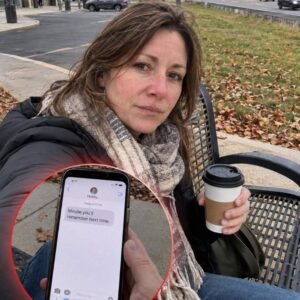
RJ Mitte became widely known as Walter White Jr. on Breaking Bad, bringing personal experience with cerebral palsy to a role seen by millions. Beyond the series, his advocacy has helped draw attention to disability representation and inclusion. Those contributions deserve accurate reporting, especially when a story makes a claim as consequential as his death. The supplied material attributes an announcement to representatives, but does not identify those representatives or link to an authenticated statement.
The text alone therefore cannot establish that Mitte has died. Its additional details about a location, surviving loved ones, and upcoming projects should not be treated as corroboration simply because they appear alongside an attributed quotation. Before publishing an obituary or inviting readers to mourn, confirmation should come from an authenticated representative, an official family announcement, or reliable reporting. Until then, the responsible distinction is clear: this is an unverified death claim, not a confirmed farewell.
An obituary is more than a headline about a recognizable person. It tells readers that a life has ended and invites them to understand an entire career through that conclusion. If the central claim has not been established, the emotional response it encourages can spread an error with unusual speed. People may share a tribute out of affection while unknowingly repeating the same unsupported assertion.
Mitte’s familiar role helps explain why such a claim attracts attention. Viewers can connect a performer with a character they watched over many episodes, and that familiarity can make a report feel immediately personal. His work around disability representation adds another reason people may want to recognize his contribution. Neither connection, however, establishes the truth of a death announcement.
The additional details in the supplied account should be considered in that light. A quotation can sound convincing while leaving its speaker unidentified. References to loved ones or projects can create the appearance of a complete report without supplying an authenticated announcement. Repetition within one text is not independent corroboration, and a polished presentation does not answer the question of who confirmed the event.
Readers deserve that distinction to remain visible. They should not have to infer that the report has been checked merely because it uses the form and language of a tribute. The fundamental question comes before discussion of a legacy: has the death claim been confirmed by an identifiable, reliable source? The supplied text does not provide that confirmation.
There is no need to deny the value of Mitte’s work in order to withhold judgment on the claim. His performance and advocacy can be appreciated on their own terms. An account of those contributions does not depend on an unsupported ending being attached to them. Respect for the person includes accuracy about the circumstances of his life.
Until dependable confirmation is available, uncertainty should remain uncertainty. The responsible response is to recognize what the material says, note what it fails to establish, and avoid converting a circulating allegation into a farewell. That approach protects both the reader and the person at the center of the story while leaving room for verified information to clarify the situation.