Legendary woman whose code helped save the moon landing dies

The moon landing nearly slipped away beneath a storm of computer alarms. While the world watched two astronauts approach history, a woman far from the spotlight had helped build the software that kept their mission alive. Now Margaret Hamilton’s remarkable story reveals why humanity’s giant leap depended on people whose names were rarely celebrated, and one extraordinary engineer’s cour… Continues…
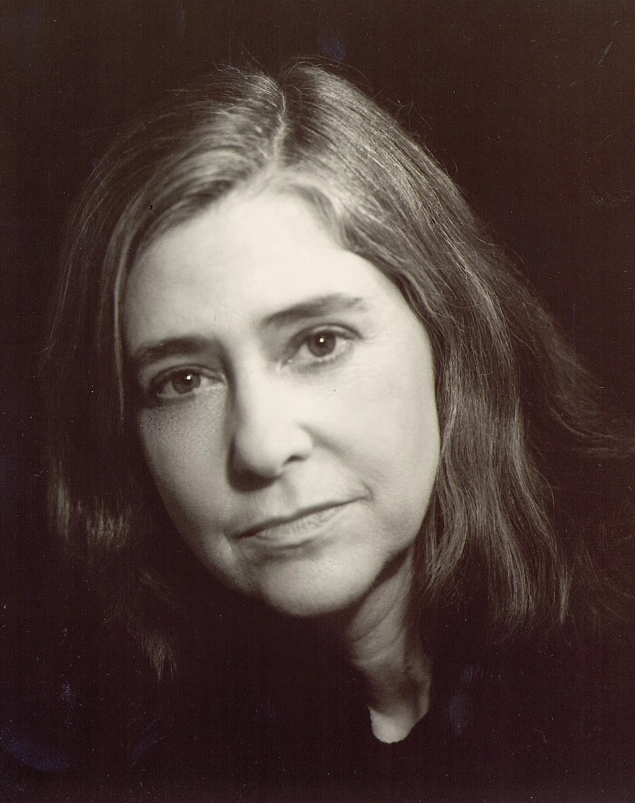
Photograph of Margaret Hamilton taken by photographer Daphne Weld Nichols / Wikipedia Commons

The Apollo 8 Command Module / Wikipedia Commons

Margaret Hamilton, the computing pioneer who led development of Apollo’s onboard flight software at MIT, died September 30 in Cambridge, Massachusetts, aged 90, according to MIT News. Her lasting contribution was an insistence that software must handle the unexpected. During Apollo 11’s descent in July 1969, computer overload alarms threatened to interrupt the landing. The team’s software preserved essential operations while setting less urgent tasks aside, allowing the astronauts to proceed with Mission Control’s approval.

Wikipedia Commons / NASA

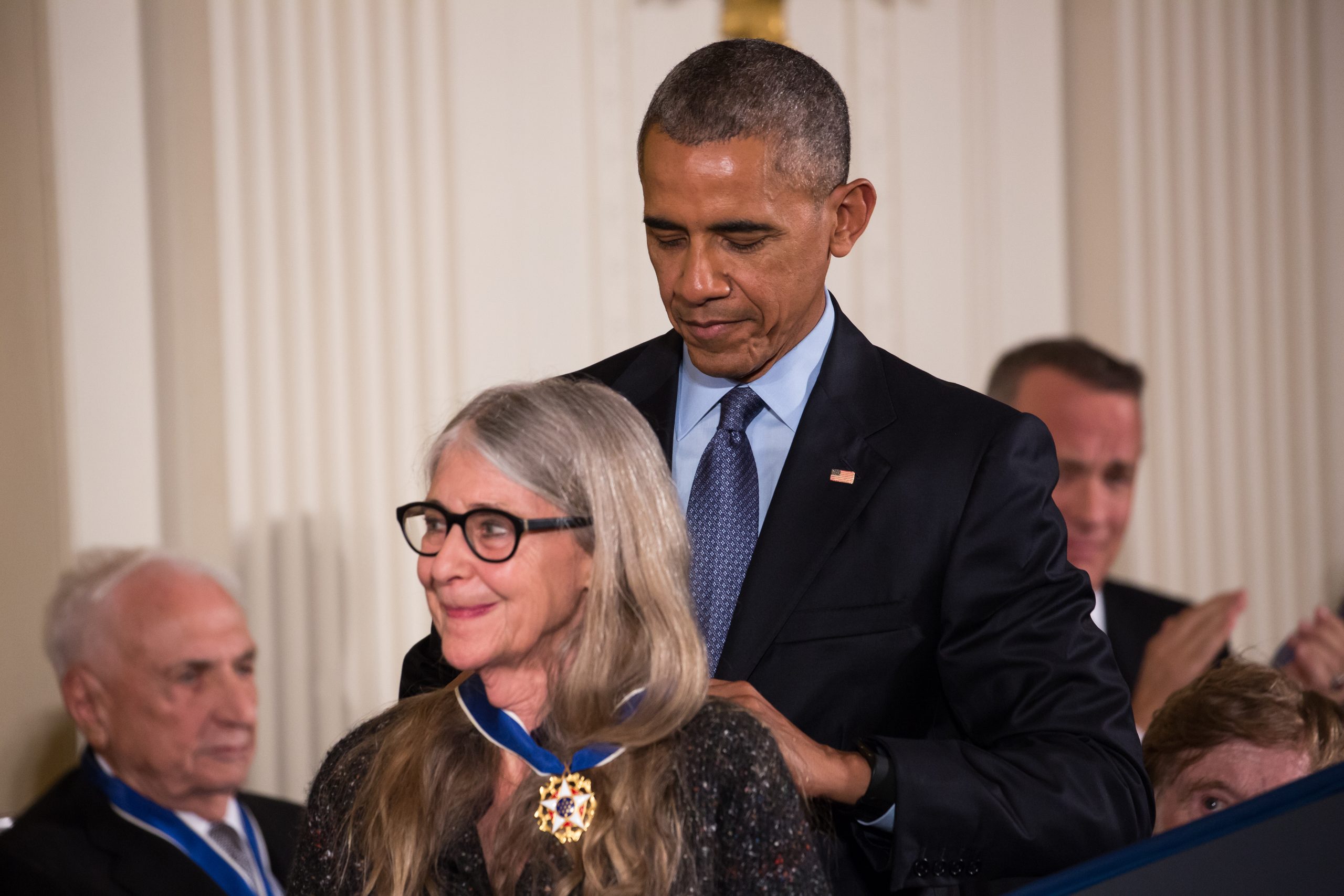
Beyond Apollo, Hamilton helped establish software engineering as a serious discipline. A photograph of her beside towering stacks of printed code later introduced her achievements to new generations, and President Barack Obama awarded her the Presidential Medal of Freedom in 2016. She also balanced demanding work with raising her daughter, Lauren. Her legacy belongs alongside the footprints on the moon: proof that extraordinary journeys depend on people who anticipate trouble long before the world sees it.
Hamilton in 1969, standing next to listings of the Apollo guidance software she and her MIT team produced / Wikipedia Commons
President Barack Obama awarded the Presidential Medal of Freedom to Margaret H. Hamilton, a pioneering computer scientist and former head of the Software Engineering Division of MIT’s Instrumentation Laboratory who led the development of on-board flight software for NASA’s Apollo moon missions. (Photo by Cheriss May/NurPhoto via Getty Images)

Related Posts

I Woke Up in the Middle of the Night With a Strange Sensation on My Skin

Something hard against my back jolted me awake and sent my imagination straight to danger. Under the light, a tiny brown object became the center of a…

HiddenCareBonds

She thought her stepson had abandoned her when she needed him most. After her husband’s death, bills and Leo’s laughter pushed the grieving widow toward anger, convinced…

Letting your gray hair go natural often reflects a deep psychological shift toward self-acceptance, authenticity, and emotional maturity. It can symbolize freedom from social pressure, confidence in one’s identity, and a desire to age honestly without hiding changes. Many people view this choice as an empowering statement of self-worth, inner peace, and a healthier relationship with time and personal growth.

For years, a silver strand could feel like a warning that the world was ready to look away. Now more people are putting down the dye and…

Quiet Habits, Safer Nights

Your safest place can become surprisingly visible with one flick of a switch. After dark, the comforting ritual of turning on a light may reveal more than…

Here’s why you should always leave an upturned glass and a piece of paper in the sink before going on vacation

Your vacation could end with a foul surprise waiting at home. Behind the silence of an empty house, an overlooked sink can become a source of lingering…

8 Signs You Have Too Much Sugar in Your Body (And What to Do About It)

The sugar you never notice can quietly push your daily intake higher than you think. It hides in breakfast cereal, flavored yogurt, and sauces, turning familiar meals…

Leave a Reply

Your email address will not be published. Required fields are marked *