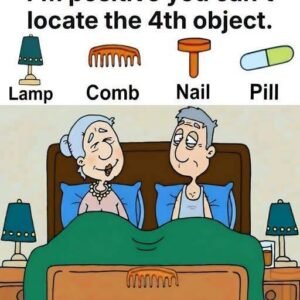
Among the many tools found in workshops and toolboxes, some of the most valuable are also the easiest to overlook. While power tools often attract attention with their size and capabilities, smaller hand tools frequently play an equally important role in achieving professional-quality results. One such tool is the nail punch, also known as a nail set—a simple device that has helped woodworkers and builders create clean, polished finishes for generations. The primary purpose of a nail punch is to drive a nail head slightly below the surface of a material without damaging the surrounding area. To use it, the pointed tip is placed directly on the nail head, and the opposite end is tapped with a hammer. This allows the nail to be recessed neatly into the wood, making it easier to conceal the fastener with wood filler, paint, or other finishing materials. The result is a smoother, more refined appearance that would be difficult to achieve using a hammer alone. Tools based on this concept have existed in various forms for centuries. Early builders and craftspeople relied on basic metal implements and hand-forged tools to secure materials while maintaining a tidy finish. As woodworking techniques became more advanced and manufacturing processes improved, specialized tools emerged to meet the growing demand for precision and consistency. The nail punch became a trusted companion in furniture making, cabinetry, trim installation, and other detailed woodworking tasks. Modern nail punches are typically crafted from durable materials such as hardened steel, allowing them to withstand repeated impacts over years of use. Available in multiple sizes to accommodate different nail heads, they remain a staple in both professional and home workshops. Despite their modest appearance, these tools continue to demonstrate an important truth about craftsmanship: sometimes the smallest tools are the ones that make the biggest difference in the quality of the finished work.
A nail punch is useful at the point where a hammer has done most of the work but the nail head still sits above the surface. Its narrow tip lets the worker concentrate the next tap on the head, instead of striking the surrounding wood with a larger hammer face. This is particularly helpful on trim, furniture, and other visible surfaces where dents are harder to hide. The objective is a shallow recess that can be filled and finished.
The tool is simple, but choosing a tip that fits the nail head matters. A tip that slips can mark the wood, while a controlled, straight tap makes the recess more predictable. Builders often keep several sizes nearby because finish nails and their heads vary. These differences are small, yet the tool’s usefulness depends on that close fit and on careful placement.
After the head is set below the surface, the remaining recess can be filled. A finishing material can then be sanded or otherwise prepared as appropriate for the project before paint or another finish is applied. This sequence explains why the nail punch belongs in the finishing stage as well as in the initial assembly of a wooden piece. It helps make the fastener less visible without asking the hammer to perform a precision task it was not designed to perform.
Older hand tools may look unfamiliar when found away from a workshop. Identifying their working ends and the kind of mark they are meant to make is often more useful than judging them by size. The nail punch shows how a modest piece of steel can solve a specific, repeated problem. Its lasting place in toolboxes comes from the clean surface it helps a craftsperson leave behind.