An ordinary day came to a sudden halt.
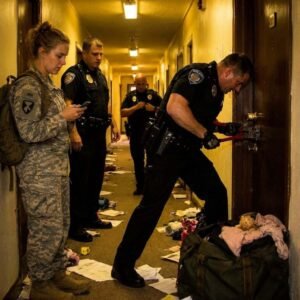
Emergency personnel moved in, roads closed, and residents were told to stay clear as nearby businesses and transport routes faced disruption. Yet behind the restrictions, the central question remained unanswered: what had happened, and how long would people have to wait before officials could explain the response and restore normal acce…
Authorities established restricted zones while officers and other emergency personnel assessed an incident whose circumstances had not been fully explained.
For people nearby, the consequences were immediate: familiar routes became unavailable, journeys were interrupted, and businesses faced temporary disruption. Residents, pedestrians, and commuters were asked to keep their distance.
The available account offered no confirmed explanation for the deployment, no information establishing whether anyone was injured, and no timetable for reopening the affected area.
That uncertainty matters as much as the visible response. A cordon marks an access restriction; it does not, by itself, establish what caused the incident or imply a wider threat.
For those whose routines were interrupted, the wait for clarity accompanied the practical difficulty of getting around. A fuller official account was still needed to explain what prompted the response and when access could return.
Until then, the disruption was confirmed, but its cause remained unresolved.