One tiny tick can send a parent’s mind racing toward catastrophe.
Suddenly, every second feels loaded with danger, but panic can obscure the simple steps that protect your child, from careful removal to knowing which symptoms deserve attention. Before fear takes over, there is something every parent should know about what happens next—and when it is time to reac…
Finding an attached tick is frightening, but most bites do not cause serious illness. Use fine-tipped tweezers to grasp it as close to the skin as possible, then pull upward with steady, even pressure. Avoid twisting, jerking, burning, or covering it with petroleum jelly.
Clean the bite and your hands with soap and water. Photograph the tick, note the date and location of exposure, and estimate how long it was attached.
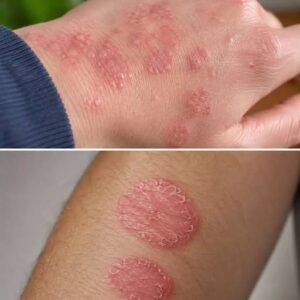
Over the following weeks, watch for an expanding rash, fever, headache, unusual fatigue, or other new symptoms. A small bump immediately afterward often reflects irritation, and Lyme disease does not always produce a bull’s-eye rash.
Contact your child’s clinician promptly about symptoms or a potentially high-risk bite: preventive antibiotics may be appropriate in selected cases, ideally assessed within 72 hours of removal. Seek urgent care for breathing difficulty or new weakness.
Calm action and informed follow-up offer more protection than panic.