What started as a beloved family tradition ended in a heartbreaking disaster only 2 days before Thanksgiving. As loved ones grieved the deaths of 6 family members, a number of striking details came to light about those on board and the events surrounding their final trip.
What unfolded in the sky just before air traffic controllers lost contact with the aircraft?
Who was at the controls, and what did a friend of 30 years say about him and his teenage son?
How did 2 other relatives who had gone on the fishing trip manage to get home safely?
And what unusual figure from the aircraft’s final recorded moments caused concern among aviation experts?
From the family’s cherished traditions to the troubling facts about their last flight, here is what is known so far.
Only 2 Days Before Thanksgiving
For one Florida family, some of their most treasured memories had been made out on the water.
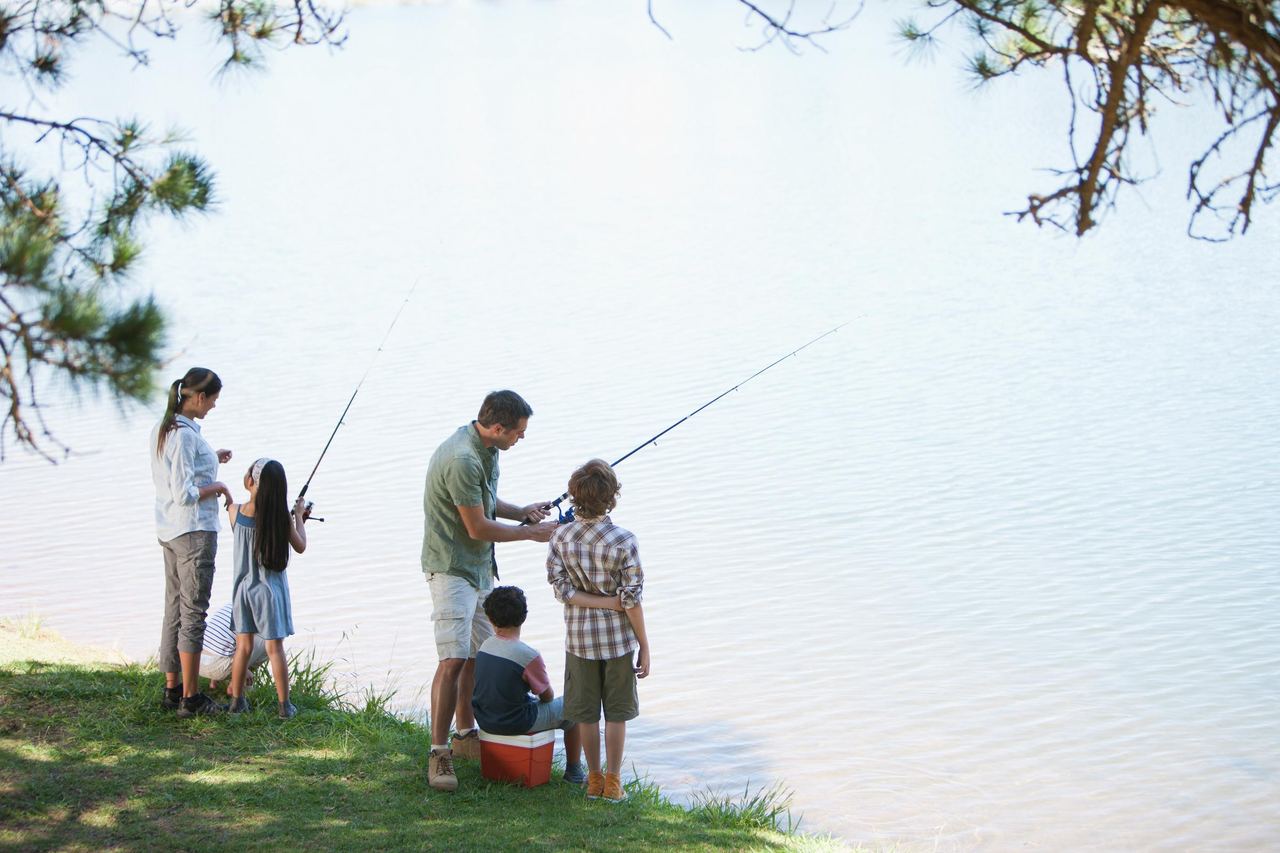
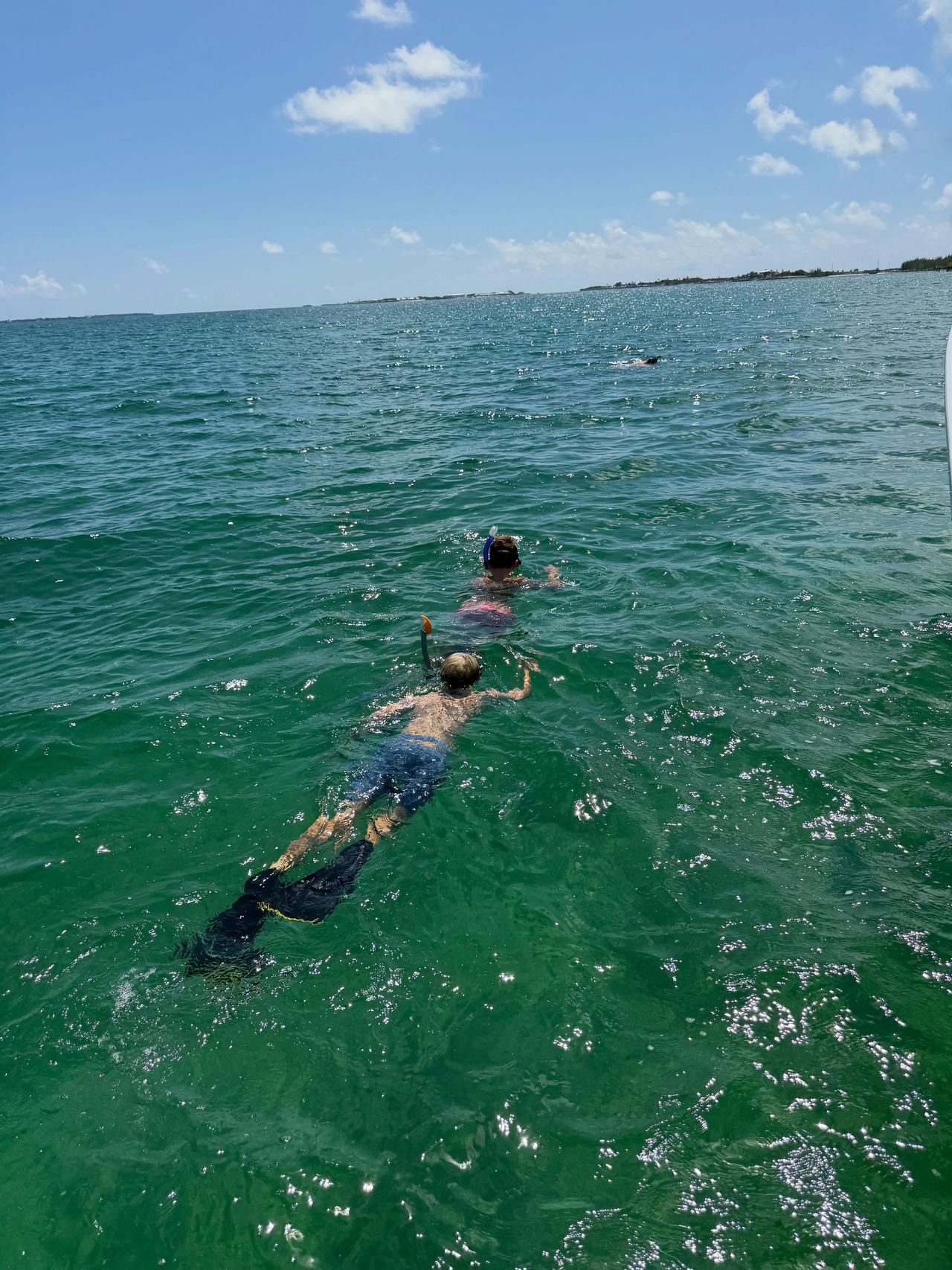
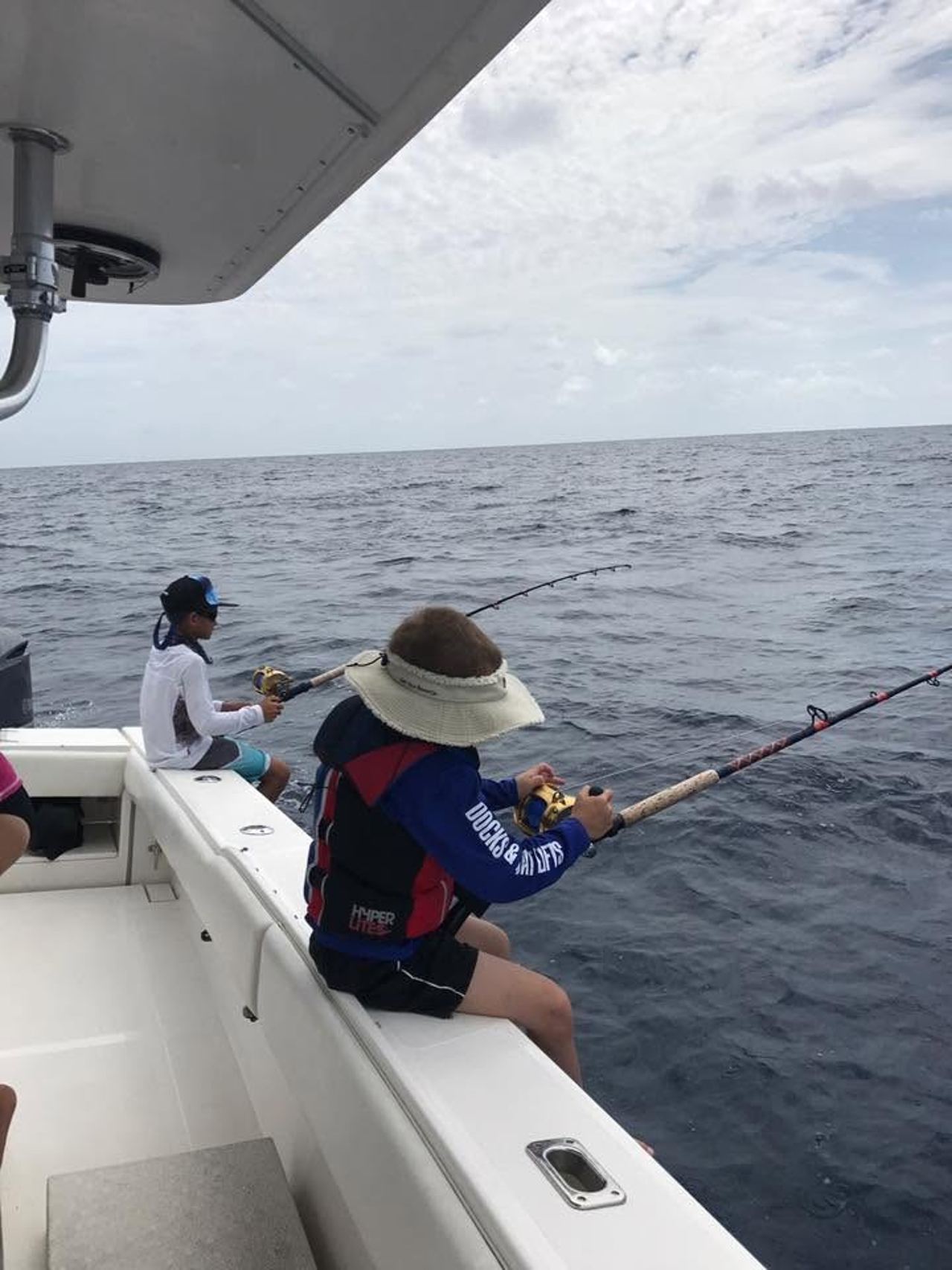
Fishing was more than simply a favorite hobby — it was a family custom that united parents, children, siblings, and cousins.

As Thanksgiving drew near, members of the extended family had gone to Venice, Louisiana, for another fishing trip.
They intended to return to Florida in time to celebrate the holiday with the rest of their relatives.
Among those on the getaway were 3 boys, all growing up surrounded by family members who shared their love for fishing and the outdoors.
For their parents, the outing was another chance to be with their children before going back to everyday life, including school, work, and the usual holiday preparations.
On Tuesday, November 24, 2026, just 2 days before Thanksgiving, 6 relatives boarded a private plane headed for Fort Myers, Florida.
Their destination was Page Field, an airport in the area where they had raised their families, built their companies, and formed friendships going back many years.
The aircraft had been loaned to the family for the trip, and the flight was meant to bring them home after several days spent doing something they loved.
But not everyone who had taken part in the fishing trip got on that plane, a fact that would carry a very different significance in the hours ahead.
Before the family knew what had taken place, though, a warning had already been given to the pilot from the ground.
What Took Place Before the Plane Vanished?
The family was flying in a single-engine Cessna 210, an aircraft carrying 6 people from Louisiana to southwest Florida.
The plane left New Orleans Lakefront Airport at around 2 p.m., bound for the Florida community where the passengers lived.

Publicly available air traffic control audio contained no obvious indication of trouble from the pilot during departure.
Still, shortly before contact with the aircraft was lost, an air traffic controller at Gulfport–Biloxi International Airport warned the pilot about precipitation and poor weather conditions in the region.
The weather the aircraft encountered remains one of the factors being reviewed in the investigation.

A former Boeing safety engineer reviewed the available air traffic control recordings and found nothing especially unusual in the communications between the pilot and controllers.
But a retired airline captain with 50 years of flying experience focused on the aircraft’s path, studying information gathered through flight-tracking technology.
His analysis, reported after the crash, showed the aircraft had been flying at about 9,000 feet before entering an unusually steep descent while turning right.

At about 3:45 p.m., air traffic controllers in Mobile, Alabama, said they had lost contact with the aircraft.
But the data captured during the plane’s final moments included one especially disturbing measurement — and by the time experts began reviewing it, rescue teams were already heading toward the waters off Mississippi.
The First Items They Recovered

As authorities launched a search near Horn Island, emergency crews from multiple agencies were called in to help find the missing plane.
The Coast Guard deployed boats and aircraft, while local law enforcement, divers, and personnel from the Mississippi Department of Marine Resources joined the search effort.
By roughly 5:40 p.m., crews had located debris from the aircraft northeast of Horn Island.

Among the pieces seen floating in the water were 3 life jackets, a life raft, and part of the plane’s cabin.
The people who had been on board had still not been found.
Emergency responders kept searching as nightfall neared, but the surrounding conditions were becoming more difficult.

Capt. Michael Strickland of the Mississippi Department of Marine Resources later said the winds intensified as a weather front moved through, making the water increasingly rough.
Search crews used sonar equipment to identify objects below the surface.
A GPS locator dropped by the Coast Guard helped narrow the area where teams believed the plane might be located.

Despite the worsening conditions above the water, Strickland said that underwater visibility was fairly good, which helped the divers in their work.
After several hours, divers reached the sunken fuselage.
Inside, they found what everyone involved had feared most: all 6 people on board had died.

For the rescue teams, the operation had turned into a mission to bring the victims home to their families.
Back in Florida, however, the devastating news was about to reveal an especially painful detail: the youngest victims were 2 young brothers and their teenage cousin, and the photos their families had shared over the years painted a very different picture of their lives.
A Mother’s Message Just Weeks Before

The victims were members of the close-knit Stokes and Knox families, both deeply rooted in the Fort Myers area.
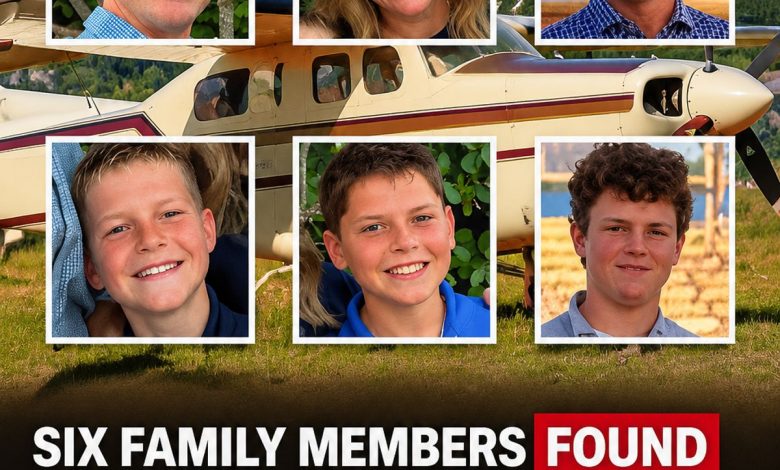
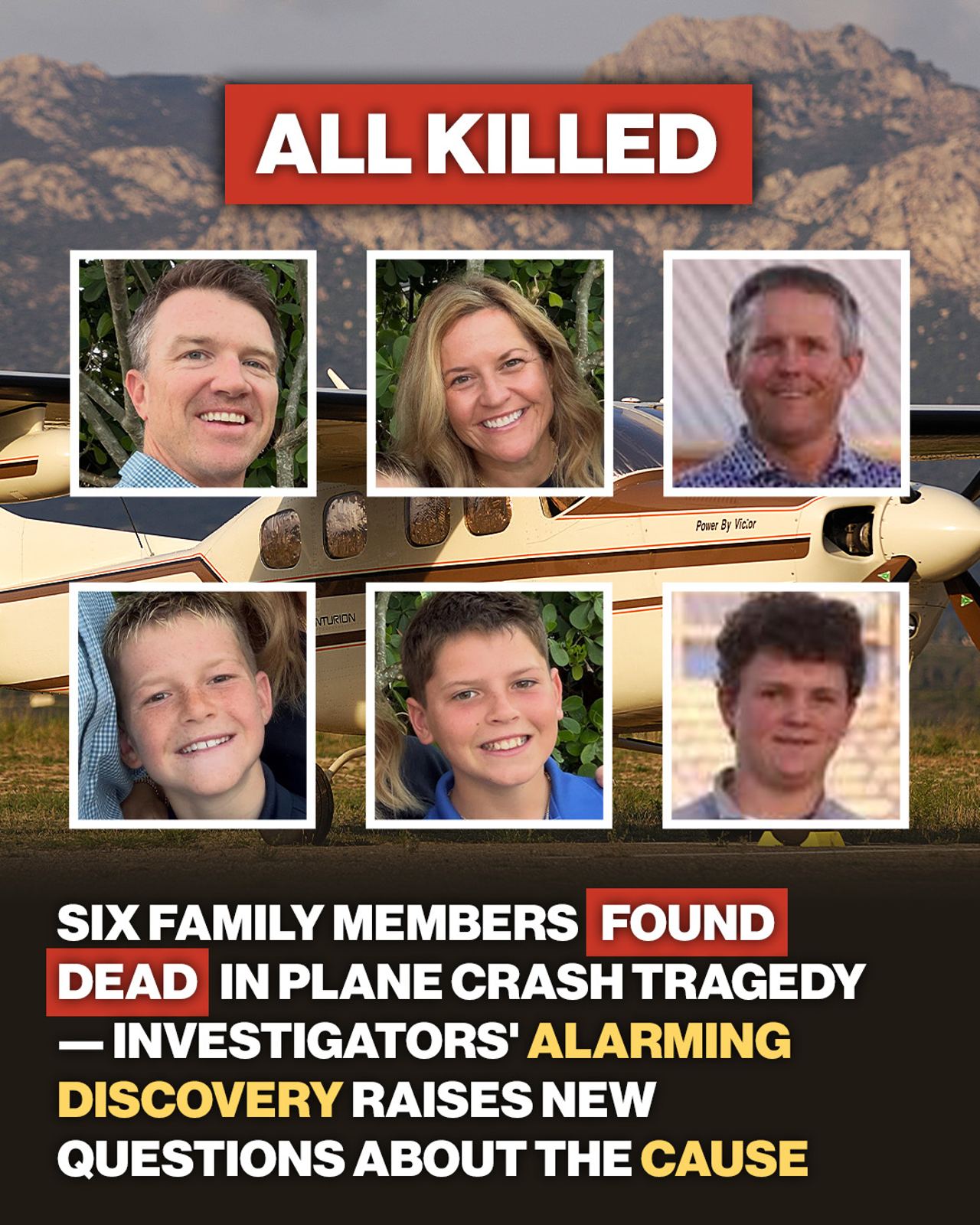
Among those on board were 43-year-old Arlyn Knox, her husband Michael, also 43, and their 2 sons, Charles Holden Knox, 12, and Truett Knox, 10.
The other victims were Arlyn’s older brother and his teenage son, but only weeks before the tragedy, Arlyn had been celebrating milestones in her own sons’ lives.

In October, she celebrated Holden’s 12th birthday with a heartfelt message honoring his adventurous spirit, humor, and love of fishing.
“You made me a momma 12 years ago, and life has been wild ever since!”

Just a few weeks later, her younger son turned 10, leading to another loving birthday tribute that praised his kind heart, curiosity, and seemingly endless energy.
His mother affectionately called Truett their “little human exclamation point.”
Arlyn had also recently started a new chapter professionally, leaving behind a corporate career of more than 20 years to become chief marketing officer of Knox Technology, the company her husband founded in 2012.

Her professional biography offered a more personal glimpse into her life, naming fishing, Pilates, mahjong, and cheering for her son from the sidelines among her favorite things.
On the company’s team page, Arlyn was jokingly described as the “Taker of Mike’s sanity,” while her husband described himself as a husband, father, and coach.
Fishing was woven into their marriage as well, with photos marking their 12th wedding anniversary showing the couple on a boat, seated in chairs labeled captain and first mate.

That same bond with the water also connected Arlyn to another parent on board the aircraft — a man who had spent years sharing that passion with his own son.
Who was the man flying the plane, and what did his longtime friend say about the relationship he had with his teenage son?
The Familiar Face at the Controls

The pilot was identified as Brent Stokes, 50, Arlyn’s older brother and a father of 2.
He had transformed his lifelong passion for boating into a thriving business, founding Stokes Marine in 2003.
Before getting into marine construction, Brent worked in medical sales and was encouraged to pursue his business goals by Mike Gavala, a friend of about 30 years.

Although he had no formal training in the field, he began with only 3 employees and eventually built a company known as one of southwest Florida’s top marine contractors.
His firm worked on projects such as Sanibel’s fishing pier and the boardwalk at the J.N. “Ding” Darling National Wildlife Refuge, but Brent’s role in the boating world reached far beyond his company.
After Hurricane Dorian devastated parts of the Bahamas in 2019, he helped organize aid and also encouraged fellow boaters to search for 2 missing fishermen off the Florida coast.

Gavala had seen many periods of his friend’s life, but some of his most meaningful memories involved someone who often joined their outings — Brent’s 16-year-old son.
A Friend Had Already Envisioned His Future
Hunter Stokes had grown up going on fishing trips with his father and Gavala, some lasting 12 to 14 hours and others continuing overnight.

Those long stretches on the water gave Gavala the chance to watch Hunter grow and to know the person he was becoming.
After the tragedy, the family friend described Hunter as “a fantastic young man.”
He had even pictured what the teen’s future might be:

“I could see him following in his dad’s footsteps.”
Gavala said Hunter’s parents deserved credit for the way he had been raised, and when he spoke about Brent’s priorities, he made one especially moving remark:

“It was always about the kids.”
Gavala had also flown with Brent during Labor Day weekend in 2026, less than 3 months before the tragedy.

Another friend, April Lennon, remembered Brent through a photo from a Miami fishing tournament that had been hanging on her wall for years, recalling how willing he was to help others in the boating world.
But Hunter was not Brent’s only child, and 2 other members of their family had gone on the Louisiana fishing trip as well — though their trip home ended very differently.
The Unexpected Detail in a Family Photo

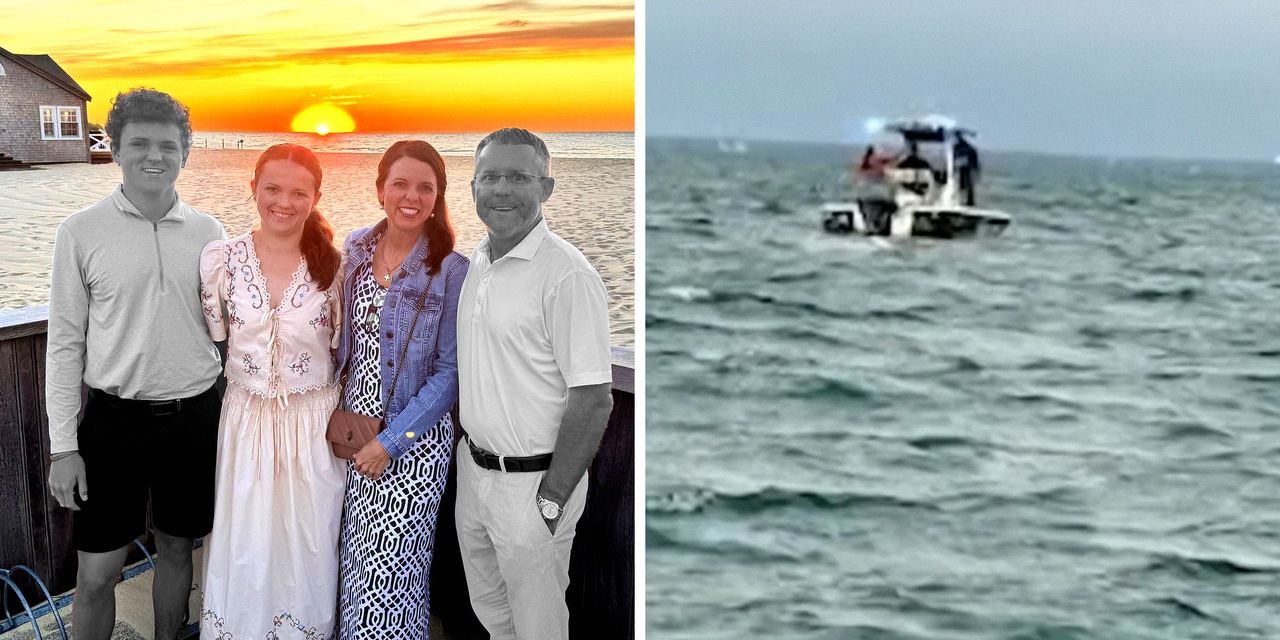
Among the family pictures shared after the crash was one showing 4 smiling people: Brent, Hunter, Brent’s wife, Dominique Stokes, and their daughter, Addison.
Both mother and daughter had gone on the fishing trip and were also planning to head home for Thanksgiving.
However, Dominique and Addison had made different travel plans and flew home on a commercial flight instead.

Why they traveled separately was not publicly explained, but neither of them was on the Cessna when it left New Orleans.
For another relative, Wyman Stokes, the tragedy meant losing his son, daughter, son-in-law, and 3 grandchildren in one accident.
During a phone interview the next day, the grieving grandfather tried to read a prepared family statement but became overcome with emotion when he reached the names and ages of his youngest grandsons.

At the same time, aviation experts reviewing the plane’s final known movements had singled out one especially troubling number.
One Figure Painted a Disturbing Picture
The available flight data showed that the Cessna had started descending quickly before air traffic controllers lost contact with it.

But how quickly was the aircraft losing altitude?
According to the U.S. Coast Guard, the Federal Aviation Administration reported that the aircraft was descending at around 10,000 feet per minute when communication was lost.
That number was far higher than what would normally be expected in a controlled descent.
Aviation law firm Kreindler & Kreindler, which opened an independent investigation, said the unusual descent raised serious questions about what happened before the crash.
Flight instructor Emmet Bartholomew also said the investigation might be more difficult because small aircraft of this kind usually do not have the cockpit voice and flight data recorders carried on larger commercial planes.
Both the Federal Aviation Administration and the National Transportation Safety Board are investigating, but as of November 26, 2026, the cause of the crash was still unknown.
Back in Florida, another community was preparing for a heartbreaking truth when its children came back from Thanksgiving break.
When Students Return to Class
At St. Francis Xavier Catholic School in Fort Myers, students and staff learned that 2 young brothers would not be coming back after Thanksgiving.
Holden had been a sixth grader, while his younger brother Truett was in fourth grade.
Principal John Gulley released an emotional statement calling the family’s loss irreplaceable and urging the community to honor their memory through kindness.
He also said support would be available for students and staff when they returned to school on Monday, November 30.
Before Thanksgiving, Gulley encouraged families to hold their loved ones close and value the time they shared.
It was a message also reflected by the surviving members of the Stokes and Knox families, who released their own moving tribute to the 6 relatives they had lost.
The Memories They Will Hold Onto Forever
After the tragedy, the family expressed gratitude to emergency responders and to everyone who had supported them with prayers and kind messages.
They also shared how they hoped their loved ones would be remembered:
“They died doing what they loved.”
In their statement, the surviving relatives asked for privacy as they cared for one another, especially the children, and said information about memorial services would be shared when they were ready.
As investigators continue working to find answers, the photographs left behind preserve the lives they lived — a mother’s love for her sons, a father’s adventures with his boy, and a family’s cherished tradition.
For the loved ones facing Thanksgiving without Brent, Hunter, Arlyn, Michael, Holden, and Truett, those memories now come with an enduring promise:
“We will carry them with us always.”